Lymphoedema Physiotherapy
Comprehensive Lymphoedema Management, Cancer Rehabilitation and Swelling Treatment
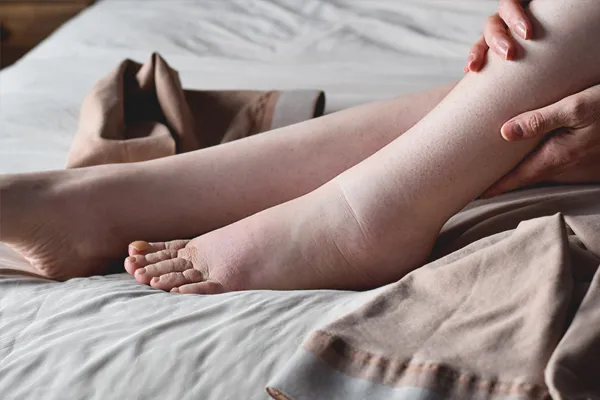
Living with lymphoedema can affect much more than physical appearance. For many people, it impacts comfort, movement, confidence, work, exercise, and participation in everyday activities. Simple tasks such as carrying groceries, exercising, gardening, dressing, or returning to work can become more challenging when swelling, heaviness, tightness, or discomfort are present.
At our clinic, we provide comprehensive lymphoedema assessment, treatment, and long-term management programs tailored to the individual needs of each patient. Our aim is not only to reduce swelling but also to improve mobility, physical function, comfort, and overall quality of life.

Our lymphoedema services are led by Parnian Madani, Registered Physiotherapist and Accredited Lymphoedema Practitioner. Parnian completed her specialised lymphoedema training through Macquarie University and is accredited through the Australasian Lymphology Association (ALA).
Parnian has experience working with patients affected by cancer-related lymphoedema, post-surgical swelling, chronic oedema, lymphatic dysfunction, and mobility limitations. Her physiotherapy background allows her to address not only swelling management but also the movement restrictions, weakness, pain, fatigue, and functional limitations that often accompany lymphoedema and cancer treatment.
What Is Lymphoedema?
Lymphoedema is a chronic condition caused by a disruption to the lymphatic system. When the lymphatic system is unable to effectively drain fluid from tissues, fluid accumulation occurs and swelling develops.
Lymphoedema may occur following:
- Breast cancer treatment
- Lymph node removal
- Radiation therapy
- Cancer surgery
- Trauma or injury
- Chronic venous insufficiency
- Congenital lymphatic conditions
- Certain medical conditions affecting the lymphatic system
Although lymphoedema most commonly affects the arms and legs, it can also affect the breast, chest wall, abdomen, neck, face, and other areas of the body.
Common symptoms may include:
- Swelling of the arm or leg
- Feelings of heaviness
- Tightness in the skin
- Reduced flexibility
- Difficulty moving affected joints
- Aching or discomfort
- Clothing or jewellery feeling tighter
- Fatigue in the affected limb
- Increased risk of skin infection
Early diagnosis and treatment can often help minimise progression and improve long-term outcomes.
Comprehensive Lymphoedema Assessment
Every patient undergoes a detailed assessment before commencing treatment.
Our assessment process may include:
- Medical history review
- Cancer treatment history
- Surgical history
- Limb measurements
- Swelling assessment
- Functional mobility assessment
- Skin and tissue assessment
- Movement and strength assessment
- Compression garment review
- SOZO bioimpedance measurement
This allows us to develop an individualised treatment plan based on your specific needs and goals.
Lymphoedema Physiotherapy
Lymphoedema physiotherapy involves much more than simply treating swelling. It focuses on helping patients improve movement, function, strength, and confidence while managing the physical effects of lymphatic dysfunction.
Many people living with lymphoedema experience reduced mobility, discomfort, tightness, weakness, and difficulty performing everyday activities. Through a combination of hands-on treatment, exercise prescription, movement retraining, and education, Lymphoedema Physiotherapy can help patients regain function and maintain independence.
Our treatment programs are tailored to each individual and may include:
- Mobility exercises
- Stretching programs
- Postural correction
- Functional rehabilitation
- Strengthening exercises
- Hydrotherapy
- Balance training
- Scar management
- Home exercise programs
Our goal is to help patients return to their normal activities with greater comfort and confidence.
laser therapy
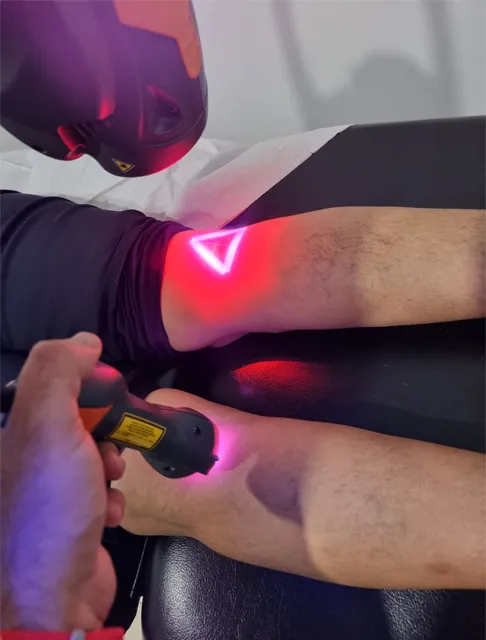
The use of laser therapy, especially low-level laser (LLLT) or photobiomodulation (PBM), is one of the new, safe and highly effective methods in the management and treatment of lymphedema. As a complementary treatment alongside standard methods, this method has amazing effects in reducing swelling and improving the quality of life of patients (especially after breast cancer surgeries).
Next, we will examine in precise and specialized detail how laser therapy works in the management of lymphedema:
1. Mechanism of laser effect on the lymphatic system
Stimulation of lymphangiogenesis: Laser light photons with specific wavelengths (usually between 800 and 1000 nanometers) stimulate endothelial cells and cause the growth of new lymphatic vessels. This means creating alternative pathways for the drainage of accumulated fluid.
Reduced fibrosis and tissue stiffness: One of the annoying and chronic complications of lymphedema is the hardening of the skin and underlying tissue (fibrosis). Laser therapy helps soften fibrotic tissues by regulating macrophage activity and reducing excess collagen production.
Increased lymphatic pumping: Laser energy stimulates the motility (movement) and increases the natural contractions of the remaining healthy lymphatic vessels, which significantly speeds up the rate of fluid drainage.
2. Clinical benefits for the patient
Accelerated limb volume reduction: Clinical studies show that combining laser therapy with the standard CDT(Complete Decongestant Therapy) method significantly increases the volume reduction of the affected limb.
Pain and heaviness relief: With anti-inflammatory effects and improved local blood circulation, the laser greatly reduces pain, tingling, and a feeling of tension and heaviness in the hand or foot.
Improved range of motion and function: By reducing swelling and softening the tissues, the movement of the joints (for example, the shoulder joint in lymphedema of the hand) becomes smoother and the patient can more easily carry out daily tasks.
How to integrate into the treatment program
In advanced physiotherapy clinics, laser therapy never replaces compression bandages or manual lymphatic drainage (MLD), but is applied to the lymph nodes and blocked pathways just before manual drainage to soften the tissue and open the path for manual drainage.
Manual Lymphatic Drainage (MLD)
Manual Lymphatic Drainage is one of the most recognised treatment techniques used in lymphoedema management.
This specialised treatment is performed by a trained lymphoedema therapist using gentle, rhythmic movements designed to encourage lymphatic fluid movement towards healthy drainage pathways.
MLD may help:
- Reduce swelling
- Improve comfort
- Decrease feelings of heaviness
- Improve tissue health
- Promote lymphatic circulation
- Support long-term management
Many patients find Manual Lymphatic Drainage both relaxing and beneficial as part of their overall treatment plan.
MLD is often combined with compression therapy, exercise rehabilitation, skin care management, and patient education to maximise treatment outcomes.
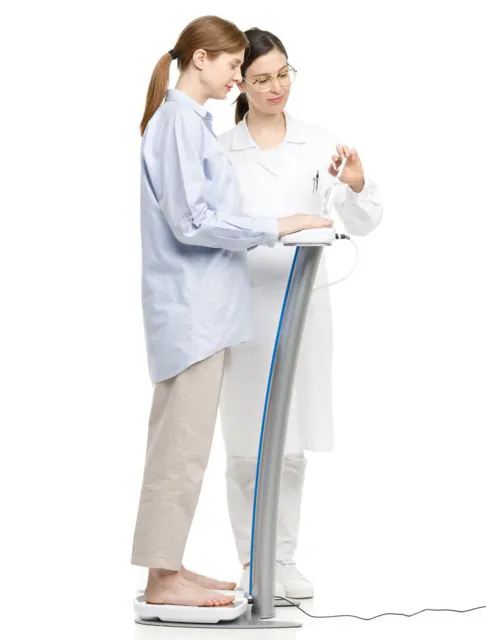
SOZO Assessment and Monitoring
Our clinic uses advanced SOZO technology to assist with lymphoedema assessment and monitoring.
SOZO uses bioimpedance spectroscopy technology to measure fluid changes within the body. This allows early identification of fluid accumulation, often before swelling becomes visually obvious.
Early detection can be particularly valuable for individuals who have undergone:
- Breast cancer treatment
- Lymph node removal
- Radiation therapy
- Cancer surgery
Regular monitoring allows treatment to commence earlier and may help reduce the likelihood of progression.
Compression Garment Prescription and Fitting
Compression therapy remains one of the cornerstones of effective lymphoedema management.
Compression garments may help:
- Reduce swelling
- Improve circulation
- Support lymphatic drainage
- Improve comfort
- Assist with long-term management
Parnian provides professional assessment and fitting of compression garments, including:
- Compression sleeves
- Compression stockings
- Compression gloves
- Custom-made garments
- Night garments
Correct garment selection and fitting are essential for both comfort and effectiveness.