

Magnetotherapy for MS: Benefits, Evidence and Physiotherapy Rehabilitation
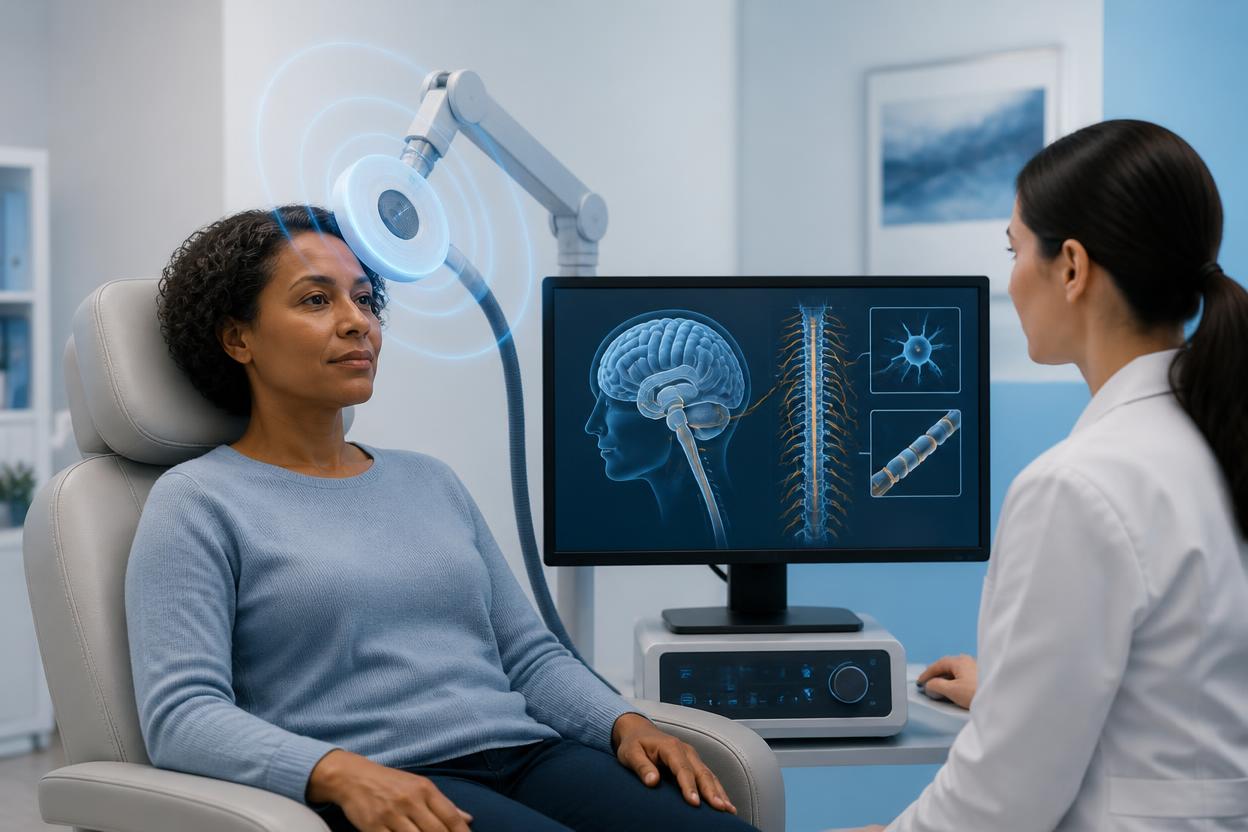
Magnetotherapy for Multiple Sclerosis (MS) is a non-invasive therapy that is being explored as a complementary approach to help manage certain MS-related symptoms. In physiotherapy and rehabilitation, it may be considered alongside exercise, mobility training and other evidence-based rehabilitation strategies.
For people living with Multiple Sclerosis in Western Sydney, finding the right rehabilitation program can be an important part of maintaining mobility, physical function and independence.
If you are looking for Physio in Merrylands, this guide explains what magnetotherapy is, what the current evidence says about its potential role in MS, and how it may fit into a broader physiotherapy program.
Important: Magnetotherapy is not a cure for Multiple Sclerosis and should not replace medical treatment, neurological care or prescribed disease-modifying therapies.
What Is Magnetotherapy?
Magnetotherapy is a non-invasive treatment that uses magnetic or electromagnetic fields to deliver controlled stimulation to the body.
In physiotherapy settings, the term may refer to electromagnetic therapies such as Pulsed Electromagnetic Field Therapy (PEMF). PEMF devices generate electromagnetic fields using an electrical current and are different from simple static magnets.
Depending on the treatment system and clinical goals, electromagnetic therapy may be used as part of a broader rehabilitation plan.
The appropriate treatment parameters should always be determined by a qualified healthcare professional after considering the patient’s medical history, symptoms and treatment goals.
Can Magnetotherapy for MS Help People With Multiple Sclerosis?
Multiple Sclerosis is a neurological condition affecting the central nervous system. Symptoms can vary significantly from one person to another and may include:
- Fatigue
- Muscle weakness
- Muscle stiffness or spasticity
- Balance difficulties
- Walking difficulties
- Pain
- Altered sensation
- Reduced physical endurance
- Problems with coordination
Research has investigated whether magnetic and electromagnetic therapies can help with some of these symptoms.
The evidence is promising in some areas but still limited overall. Current research does not support describing magnetotherapy as a treatment that reverses MS or stops disease progression.
Instead, it may be considered as a complementary option for selected symptoms within an individualised rehabilitation program.
Magnetotherapy for MS and MS-Related Fatigue
Fatigue is one of the most common symptoms associated with Multiple Sclerosis and can significantly affect everyday life.
MS-related fatigue may make it more difficult to:
- Walk for longer periods
- Exercise
- Work or study
- Complete household activities
- Participate in social activities
- Maintain regular physical activity
Research into PEMF has specifically examined whether electromagnetic therapy can reduce fatigue in people with MS.
A 2025 systematic review and meta-analysis of seven randomised controlled trials involving 327 participants found a statistically significant reduction in fatigue severity with PEMF compared with sham treatment. However, the researchers noted that larger studies are still needed to confirm the findings and establish longer-term benefits.
This means magnetotherapy may be a potential complementary option for MS-related fatigue, but it should not be presented as a guaranteed treatment.
Can Magnetotherapy for MS Help With MS-Related Pain?
Some people with Multiple Sclerosis experience pain or abnormal sensations such as:
Tingling
Numbness
Burning sensations
Pins and needles
Neuropathic pain
Research has investigated PEMF for MS-related sensory pain. Some studies have reported reductions in pain following treatment, but the evidence base remains relatively small.
For this reason, a physiotherapy assessment is important before deciding whether magnetotherapy is appropriate.
The cause and type of pain should first be considered, as different types of MS-related pain may require different management strategies.
Magnetotherapy and Spasticity in MS
Spasticity can cause muscle stiffness, tightness and involuntary muscle activity.
It can affect movement and may contribute to difficulties with walking, transfers and everyday activities.
Some research has investigated magnetic therapy for spasticity in people with MS. However, available evidence has been limited and some studies have methodological weaknesses.
Magnetotherapy should therefore be viewed as a possible complementary treatment rather than a proven standalone solution for MS-related spasticity.
Physiotherapy management may also include:
- Stretching
- Strengthening exercises
- Mobility training
- Balance exercises
- Functional movement practice
- Positioning strategies
- Exercise prescription
- Education and self-management
What Does the Research Say About Magnetotherapy for MS?
The scientific evidence needs to be interpreted carefully.
Current evidence suggests that magnetic therapy may have modest benefits for certain symptoms, particularly fatigue, but evidence is not strong enough to claim that magnetotherapy treats the underlying disease.
The National Center for Complementary and Integrative Health reports limited evidence for possible benefits in fatigue and spasticity, while noting limitations in the quality of existing studies.
More recent research has also investigated PEMF specifically for MS-related fatigue, with a 2025 meta-analysis reporting a statistically significant reduction in fatigue severity compared with sham treatment.
Importantly, research has not established magnetotherapy as a replacement for neurological treatment or disease-modifying therapy.
Magnetotherapy Should Be Part of a Broader Rehabilitation Program
For people with Multiple Sclerosis, physiotherapy should generally focus on the individual’s functional goals rather than relying on a single treatment modality.
Depending on the patient’s needs, an MS rehabilitation program may include:
Exercise Therapy
Individualised exercise can help address strength, endurance, mobility and physical capacity.
Balance Training
Balance exercises can help patients work on stability and confidence during everyday activities.
Walking and Mobility Rehabilitation
Physiotherapy can focus on walking technique, transfers, functional mobility and safe movement.
Strength Training
Appropriate strengthening exercises may help address weakness and improve functional performance.
Fatigue Management
Physiotherapists can provide strategies for balancing physical activity, exercise and rest.
Flexibility and Mobility
Maintaining appropriate movement can help patients manage stiffness and maintain functional range of motion.
Education
Understanding fatigue, exercise tolerance, pacing and safe activity can be an important part of long-term MS rehabilitation.
Magnetotherapy, when clinically appropriate, may be considered alongside these strategies rather than replacing them.
Physiotherapy for MS in Merrylands
If you are searching for Physio in Merrylands for Multiple Sclerosis rehabilitation, an individual physiotherapy assessment can help identify your specific movement and functional needs.
An MS physiotherapy assessment may consider:
- Muscle strength
- Balance
- Walking ability
- Mobility
- Muscle stiffness
- Fatigue
- Pain
- Exercise tolerance
- Functional limitations
- Falls risk
- Personal rehabilitation goals
Based on these findings, your physiotherapist can develop an individualised treatment program.
At Merrylands Rehab, physiotherapy services include a range of rehabilitation technologies and hands-on treatment approaches, with magnetotherapy listed among the clinic’s services.
Looking for Physio in Parramatta?
People living in Parramatta and surrounding suburbs may search for Physio in Parramatta when looking for rehabilitation services for neurological or musculoskeletal conditions.
Merrylands is located close to Parramatta and can be a convenient option for patients in Western Sydney, depending on their location and transport needs.
When choosing a physiotherapy clinic for MS rehabilitation, it is useful to consider the clinic’s experience, available rehabilitation equipment and ability to provide an individualised treatment program.
Physio in Granville for MS Rehabilitation
If you are searching for Physio in Granville, nearby Merrylands may also be worth considering for physiotherapy and rehabilitation services.
MS rehabilitation can be a long-term process. Your physiotherapy program may need to change over time depending on symptoms, physical capacity, fatigue and personal goals.
A personalised approach allows treatment to be adjusted as your needs change.
Magnetotherapy for MS in Westmead and Western Sydney
People searching for Physiotherapy in Westmead may also consider physiotherapy clinics in nearby Western Sydney suburbs such as Merrylands.
Westmead is an important healthcare and medical precinct, and some people with MS may already receive neurological or specialist medical care there.
Physiotherapy can complement medical management by focusing on movement, physical function, exercise and independence.
Communication between healthcare professionals can be particularly valuable when managing a complex neurological condition such as MS.
Is Magnetotherapy Safe for People With MS?
Magnetotherapy is non-invasive, but it may not be appropriate for everyone.
Electromagnetic fields can potentially interfere with certain implanted or electronic medical devices.
Before receiving magnetotherapy, tell your physiotherapist if you have:
- A pacemaker
- An implanted cardiac device
- An insulin pump
- Another electronic medical implant
- Recent surgery
- A significant medical condition
- Pregnancy
- Any new or unexplained symptoms
Your physiotherapist can determine whether magnetotherapy is appropriate or whether further medical advice is required.